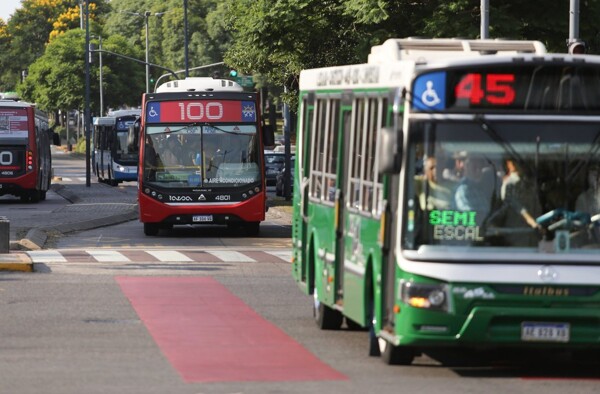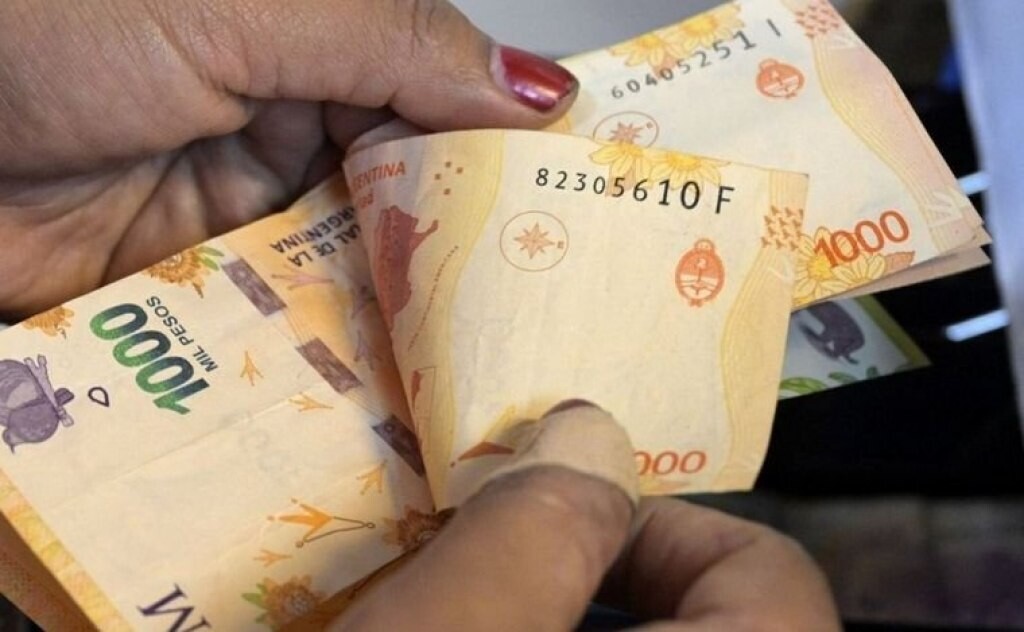
A Radio Rivadavia journalist, Rocío Kalenok, analyzed the perception of the Argentine middle class regarding salaries and inflation based on a private report. She added: “All these essential expenses—which rise above the average inflation rate—end up making a person feel that the inflation number is the lowest in the last seven years.” The specialized economics journalist stated that more than three-quarters of respondents (77%) said their salaries lost ground to inflation, giving a widespread perception of a loss of purchasing power. Among other data, she also noted that 64% perceive themselves as middle or lower class, reflecting a trend that surpasses more than half of those surveyed. Meanwhile, 55% considered that Argentina's economic situation is worse than their personal situation: “Respondents see that the country's economy is worse than their particular situation.” She also revealed data about Christmas and New Year's celebrations, where it was glimpsed that nearly half (48%) of respondents anticipated their spending would be lower, and even some were canceling their vacations due to the loss of purchasing power. What was the inflation rate in December Inflation accelerated to 2.7% in Buenos Aires City in December Although the official data was not released, the Autonomous City of Buenos Aires (CABA) recorded a cost of living of 2.7% in the last month of 2025 and closed the year at 31.8%. One of the sectors with the greatest impact that contributed to this advance was transportation, with an increase of 5.5%. Food and beverages averaged an increase of 2.4%. A few years ago, we had one of the highest inflation rates in the world, even compared to countries that had some kind of political and/or armed conflict.” In this sense, Kalenok also used a report prepared by the University of Buenos Aires (UBA) on a “saw effect” on the salaries of Argentines. “Today they are spending much more money on what is the payment of services (tariffs), transportation, and fuels. In the opposite direction, the drops in Vegetables, tubers, and legumes (-5.9%) contributed to removing pressure on this division. The inflation data for the city is a preview of what the National Institute of Statistics and Censuses (INDEC) will release next Tuesday, January 13. What were the main conclusions. According to what was learned by the Argentine News Agency, the specialized economics journalist used a report from the consulting firm Centric, which measured the advance of the Consumer Price Index (CPI) reflected in the salaries received by Argentines. “Argentina is a case apart. Within the division, the main push came from Meats and derivatives (7.4%). Followed in importance by Breads and cereals (2.0%) and Fruits (3.7%). Consulting firms foresee a similar or higher number than that of November (2.5%).”